

Citizenship & Naturalization

Home > Citizenship & Naturalization
New York Law Firm Banner Image - Berd & Klauss, PLLC

Best Citizenship Attorney in NYC – Berd & Klauss, PLLC

Getting a green card does not automatically make it easy to become a US citizen. Even as a permanent resident, you still have to meet specific requirements and go through a formal application process.

Because this naturalization process requires meeting specific legal standards and submitting extensive documentation, having an experienced citizenship attorney can help you avoid mistakes and improve your chances of approval.

At Berd & Klauss, PLLC, we have citizenship attorneys who understand the naturalization process inside out, ensuring that you receive focused legal support from start to finish. Our firm can guide you and your family through every stage of citizenship so that you understand each step and what to expect.
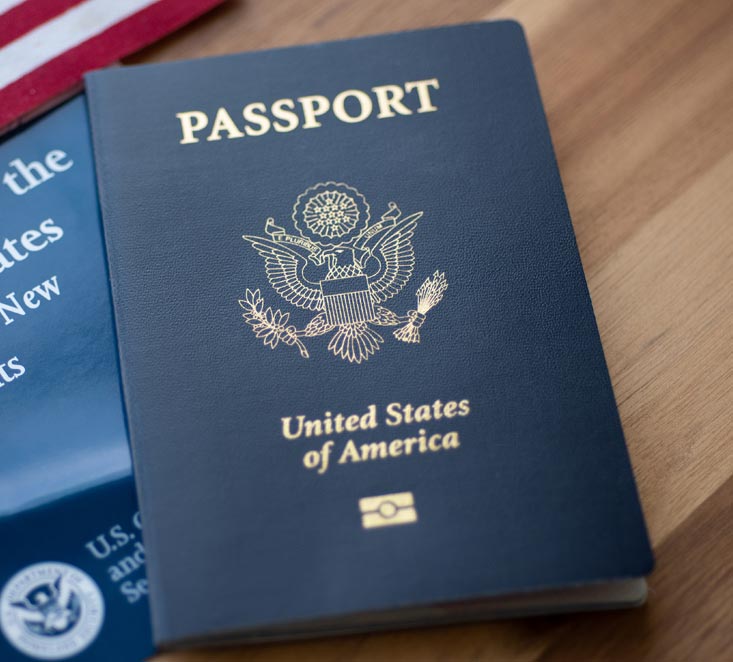
Citizenship

What is naturalization?

A green card lets you live in the US permanently — but you’re still not a citizen. To become a US citizen, you must apply through a legal process called naturalization.

Because mistakes or missing documents can cause delays or denials, a lawyer can help you prepare the application properly so that you can avoid setbacks.

Are you eligible for naturalization?

In general, to qualify for naturalization, you must:

  • Have had a green card for a required period (usually 5 years, or 3 years if married to a US citizen)
  • Have continuously lived in the US during that required period
  • Be at least 18 years old
  • Speak and read basic English (unless you qualify for an exemption)
  • Have no serious criminal issues
  • Have been physically present in the US for a minimum number of months
  • Pass a civics test


Some older applicants with long-term permanent residence may qualify for exemptions from the English test. Certain medical disabilities can also exempt someone from the English and civics tests.

What are the steps to becoming a naturalized citizen?

Step 1: Obtain your green card

Before you can apply for US citizenship, you first have to become a lawful permanent resident — meaning you need to get a green card. You can get a green card through certain approved pathways, such as being sponsored by a family member or an employer.

Step 2: Maintain eligibility

During your time as a green card holder, you need to maintain continuous residence in the United States and follow all applicable laws.

You cannot spend long periods outside the country. Very long or repeated absences can lead immigration officers to question whether you abandoned your residency. You must not commit serious criminal activity or legal violations that could affect your status.

Step 3: Confirm your eligibility

Aside from assessing if you meet the basic age and residency requirements, USCIS will look at whether you have demonstrated good moral character throughout the required statutory period. This includes whether you:

  • Have not been convicted of serious criminal offenses
  • Have continuously lived in the US during that time
  • Paid your taxes
  • Did not commit fraud or lie to immigration officials
  • Did not falsely claim US citizenship
  • Did not abandon child support obligations
  • Registered for Selective Service (if required)
  • Have not been involved in certain immigration violations

Step 4: Submit Form N-400

Complete and file Form N-400 (Application for Naturalization), along with supporting documents and filing fees.

Step 5: Attend your biometrics appointment

USCIS will schedule an appointment to collect your fingerprints and conduct background checks.

Step 6: Complete your citizenship interview

Attend your interview with a USCIS officer. You must answer questions about your application and personal history.

Step 7: Pass the English and civics test

You must demonstrate your ability to read and communicate in basic English. You must also show knowledge of US history and government.

Step 8: Take the Oath of Allegiance

When you’re approved, you must attend your naturalization ceremony. You will receive your Certificate of Naturalization after the Oath of Allegiance.

Step 9: Enjoy your rights as a US citizen

After naturalization, you can vote in federal elections and apply for a US passport, or even petition certain family members for immigration benefits.

What are the benefits of hiring a citizenship lawyer in New York?

When you work with an experienced immigration attorney, the naturalization process becomes more manageable and organized.

At Berd & Klauss, PLLC, our legal team:

  • Explains eligibility rules clearly and answers your questions
  • Prepares and reviews documentation to reduce the risk of errors or delays
  • Responds to follow-up requests from US Citizenship and Immigration Services (USCIS)
  • Represents you at interviews or, when necessary, in court
  • Files an appeal if USCIS denies your application

If your immigration history is complicated — for example, if you’ve been in deportation (removal) proceedings or had problems changing your status — your case carries more risk.

In those situations, a citizenship attorney at Berd & Klauss, PLLC can review your history and explain where you stand legally. We can also help you fix problems first or adjust your timing and strategy.

Request a consultation online or call 212-461-7152 to speak with a New York citizenship lawyer. With our experienced legal team, you can take the next step toward US citizenship with confidence.

FAQs about citizenship

What can I do to help speed up my path to US citizenship?
+

Several factors may move your case along more quickly, such as having close family members already living in the United States. You could also speed up your immigration journey by working in a profession that’s in high demand.

That said, even with these advantages, you still need to meet all eligibility requirements and follow the proper application process, because you’re still subject to USCIS requirements.

What issues can hurt my chances of becoming a US citizen?
+
  • Very serious crimes like murder or aggravated felonies can permanently prevent you from ever qualifying for citizenship.
  • Other crimes, such as drug-related offenses or prostitution, may not permanently bar you but can make you ineligible for a period of time.
  • Did you fail to file taxes properly as a green card holder? USCIS may see that as a problem. They often review several years of tax records.
  • Were you previously ordered removed (deported) from the US? You generally cannot become a citizen unless that order was resolved.
  • Were you required to register for Selective Service and didn’t? You must explain why.

Not sure how your past may affect your eligibility? Speak with a citizenship attorney at Berd & Klauss, PLLC. We can review your case and determine whether it’s safe to apply now or whether it’s more prudent to resolve certain issues first.